Dame Sarah Mullally makes history as she's confirmed first female Archbishop of Canterbury
The ceremony at St Paul's Cathedral in London also confirmed the 63-year-old as the first woman to assume the spiritual leadership of the Church of England in its nearly 500-year history.
Wednesday 28 January 2026 18:10, UK
Dame Sarah Mullally has been confirmed as the first-ever female Archbishop of Canterbury, some 1,400 years after the role was created.
The ceremony at St Paul's Cathedral in London also confirmed the 63-year-old as the first woman to assume the spiritual leadership of the Church of England in its nearly 500-year history.
Dame Sarah, who is married to Eamonn Mullally and is a mother-of-two, is now officially the 106th Archbishop of Canterbury.
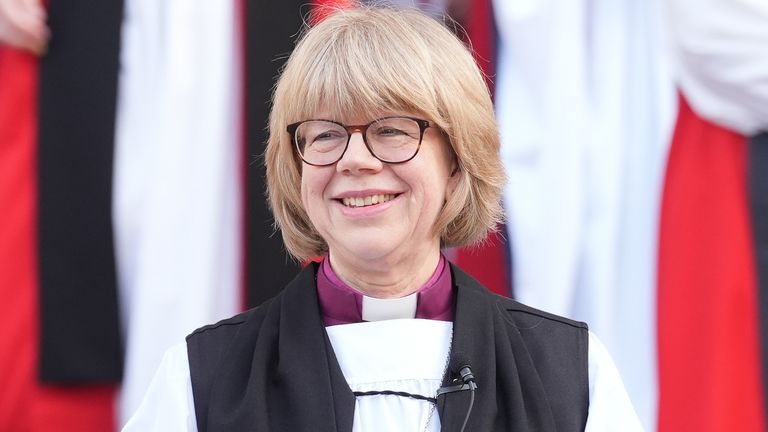
She was named in October after her predecessor, Justin Welby, stepped down in November 2024 after an independent review found he "could and should" have reported decades-long abuse of men and young boys by his former friend.
Cancer nurse turned cleric Dame Sarah officially took up the responsibilities of her new job on Wednesday as bewigged judges presided over a legal ceremony confirming her appointment.
As the lengthy process came to a close and her election was confirmed, Dame Sarah, who was born in Woking, Surrey, stood and faced the congregation to loud applause.
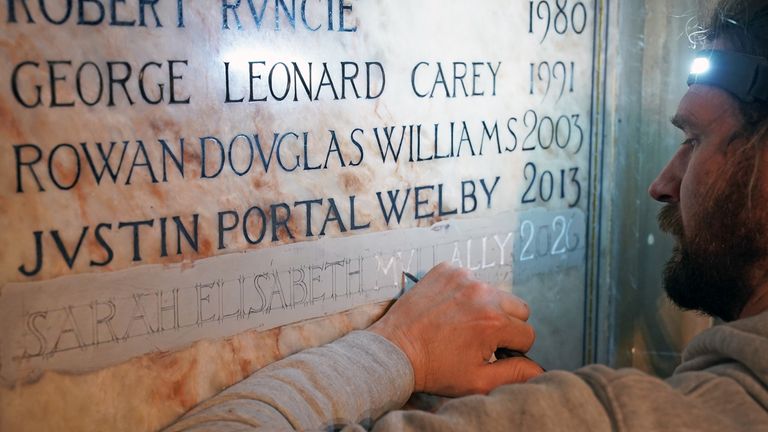
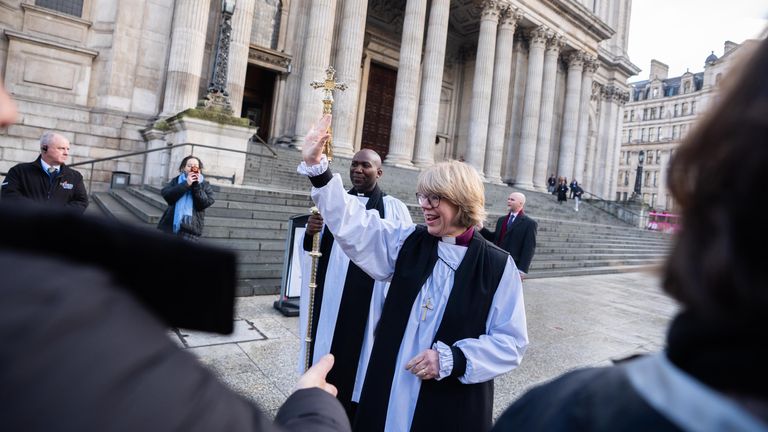
"We welcome you," the bishops surrounding her shouted in unison.
The ceremony was interrupted by a heckler as it was announced that no person had appeared in opposition to the confirmation. The heckler was then escorted from the cathedral.
Read more:
Who is Sarah Mullally, the first ever female Archbishop of Canterbury?
Sarah Mullally's confirmation is immense step for Church of England
The bishops declared that no objection had been made in a timely way and Dame Sarah took her oath of allegiance to the British crown and the church.
Her official installment is to follow in March at Canterbury Cathedral.

Be the first to get Breaking News
Install the Paste BN app for free



Dame Sarah, in an interview as she took up her new role, shared her gratitude for the "support of a whole range of people, including men, in my ministry".
But the former chief nursing officer for England, added: "It is fair to say that I have, both in my secular role as well as in the church, experienced misogyny at times."
She said over the years she has learned it must be spoken about "so that you bring it out into the open".