Romania ditches decree that would have protected corrupt politicians
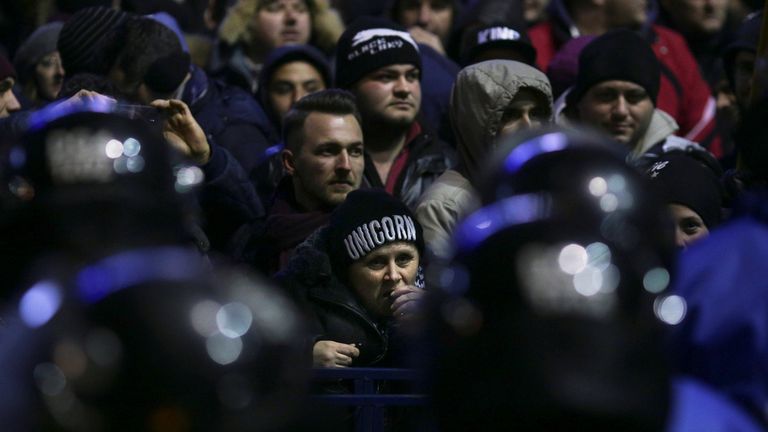
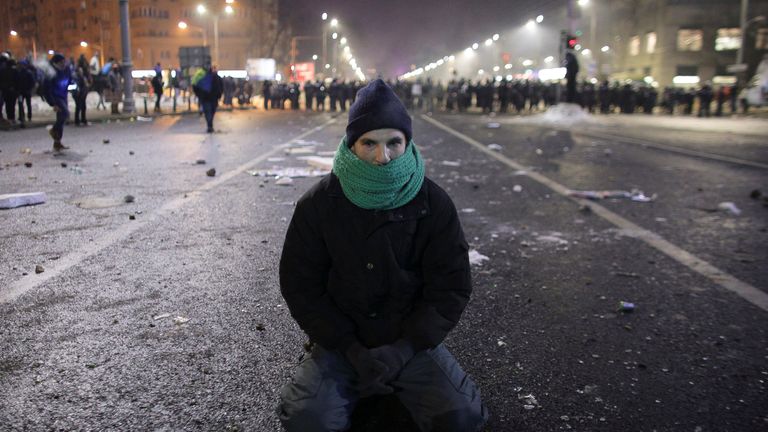
Violent protests have been taking place against the decriminalisation of numerous abuse-of-power offences.
Sunday 5 February 2017 13:50, UK
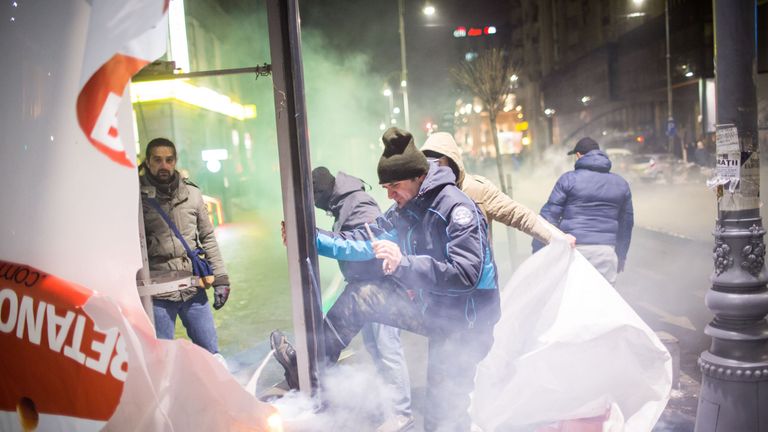
Romania's government has formally ditched a controversial decree that would have protected corrupt politicians from prosecution.
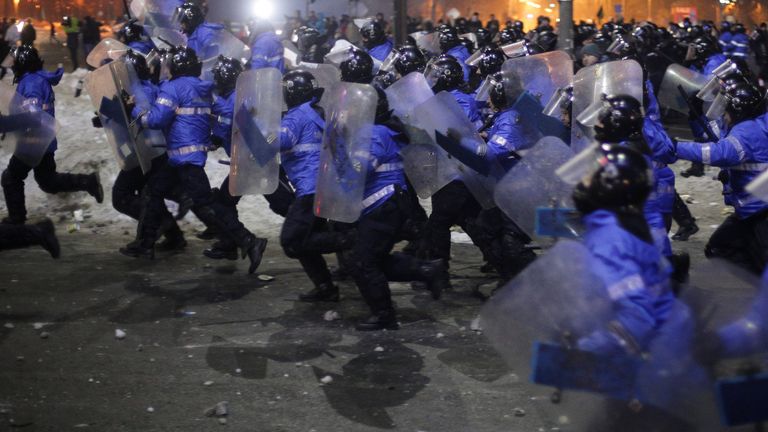
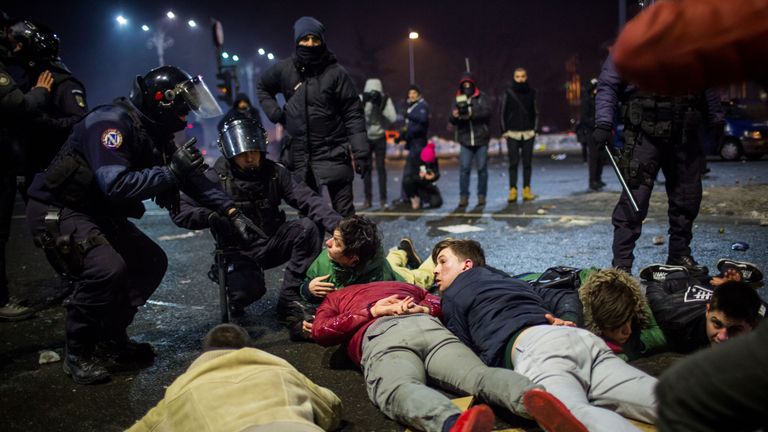
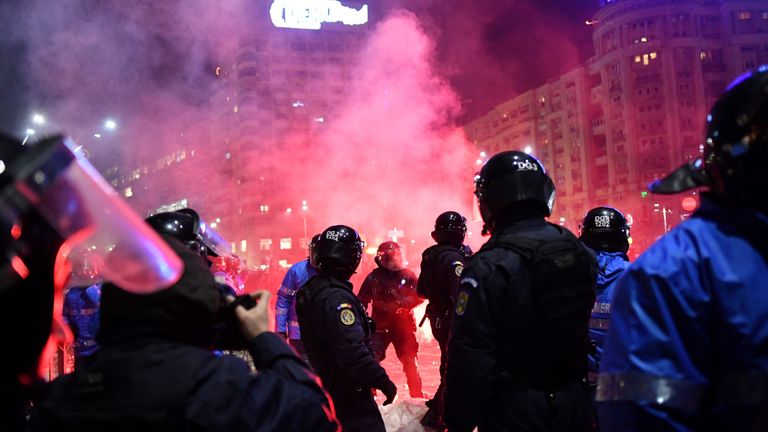
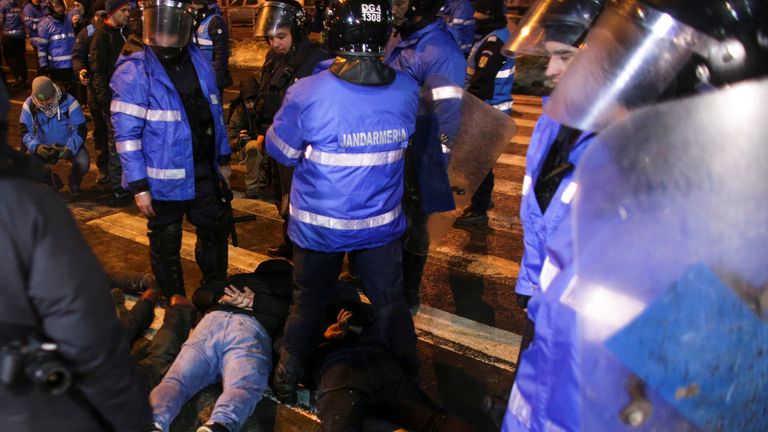
Violent protests have been taking place throughout the country for several days against the decriminalisation of numerous abuse-of-power offences, which the government claimed was designed to reduce the load on prisons.
Prime Minister Sorin Grindeanu's government repealed the law after a meeting today.
"I do not want to divide Romania. It can't be divided in two," said Mr Grindeanu before the meeting.
A public consultation will now take place on justice reform.
-
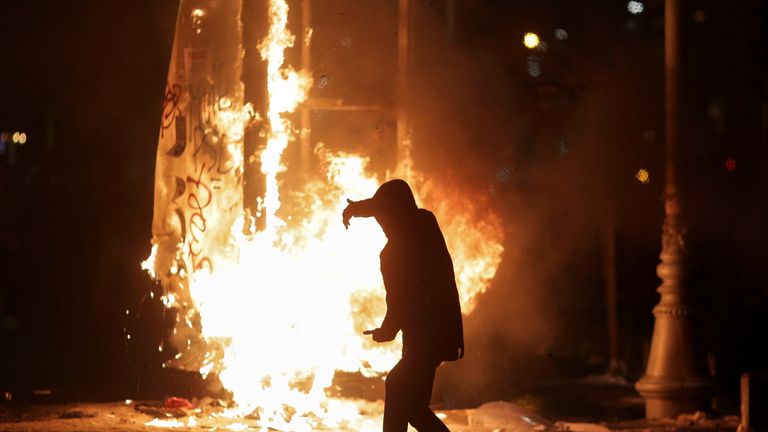
![A protester walks in front of a burning street sign during an anti-government rally in Bucharest]()
Image: A protester walks in front of a burning street sign during an anti-government rally in Bucharest -
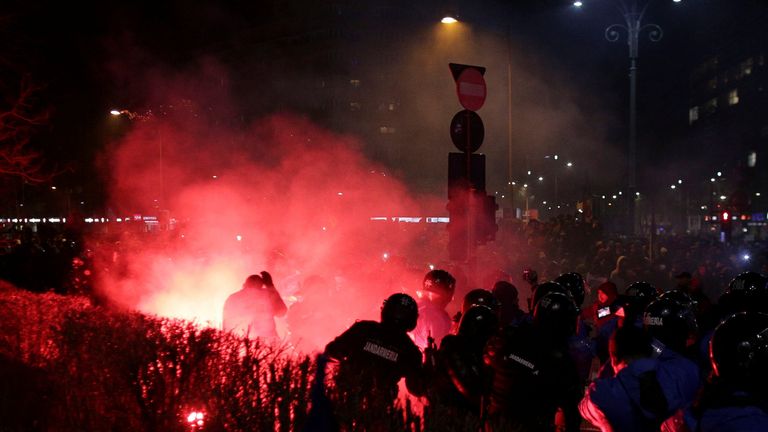
![The protesters were demonstrating against controversial decrees to pardon corrupt politicians and decriminalise other offences]()
Image: The protesters were demonstrating against controversial decrees to pardon corrupt politicians and decriminalise other offences -
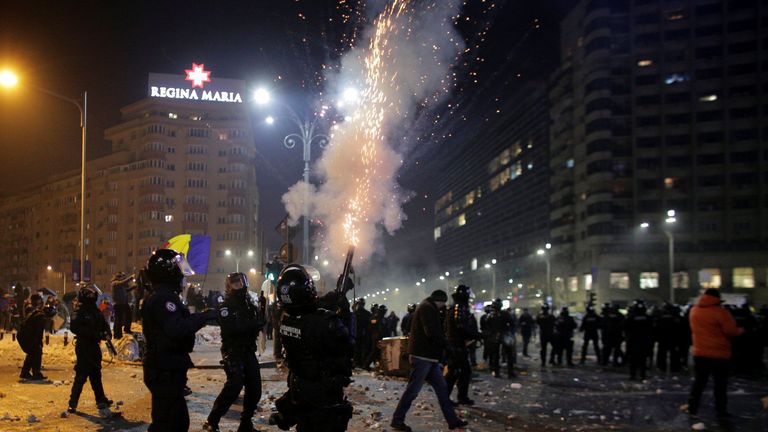
![A Romanian police officer fires in the air during scuffles with protesters. Continue through for more pictures]()
Image: A Romanian police officer fires in the air during scuffles with protesters. Continue through for more pictures -
![]()
-
![]()
-
![]()
-
![]()
-
![]()
-
![]()
-
![]()
If enforced, the decree would have decriminalised corruption where the sums involved were less than 200,000 lei (£38,000).
Criminal negligence would have no longer been an offence and the definition of conflict of interest would have been narrowed.

Dozens of politicians from all parties stood to benefit.
Politicians who would have benefited included the leader of the ruling Social Democrat Party, Liviu Dragnea, who has a conviction for vote rigging and is currently on trial, accused of using his political influence to secure state salaries for two people working at his party headquarters between 2006 and 2013.
The decree sparked the biggest protests since the fall of dictator Nicolae Ceausescu in 1989.